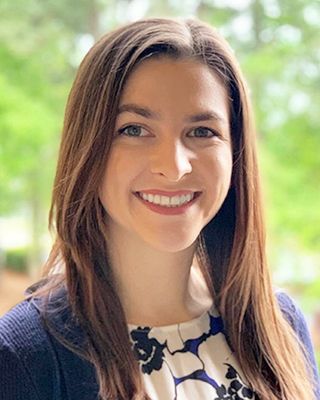
Mary Hansen, LCSW | Adult & Teen Counseling
Accepting new clients
Individual, Adult and Teen Counseling (ages 15+)
Mary Hansen, LCSW, received her Bachelor’s and Masters degree from The University of Georgia. Mary believes that each client is unique and therefore requires a variety therapeutic approaches to fit their specific needs . While primarily using CBT, DBT, and Motivational Interviewing; Mary also incorporates therapeutic interventions derived from Creative Arts Therapy, ACT, and Humanistic Therapy. With all clients, Mary uses Person Centered and Strengths Based approaches to create a safe space and explore the challenges they face. Mary’s goal is to work collaboratively with clients to provide necessary tools and empower them to make positive changes in their lives.
Mary’s Specialties
- Stress Management
- Anxiety
- Depression
- Life Changes
- ADD
- Mood Disorders
- Mindfullness
- Student Stress
- Behavioral Activation
- People Pleasing
- Coping Skills
- Grounding Techniques
Types of therapy:
Mary’s Availability in Marietta, GA:
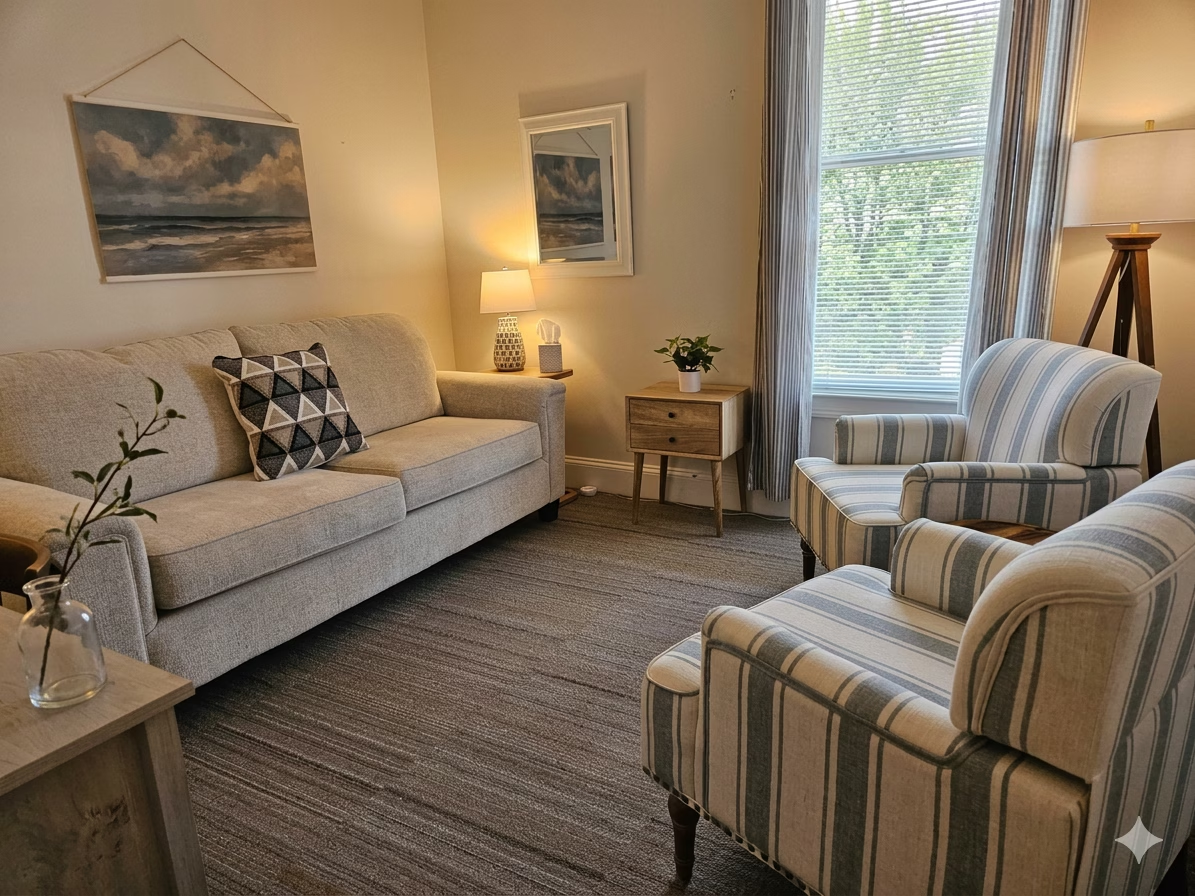
Mary is available for Adult & Teen Counseling in our office Mondays and Wednesdays from 9am to 6pm.
Life Transition Counseling
Life Transition Counseling helps clients to navigate major life changes such as breakups or relationship changes, career shifts, finances, graduation, or coping with loss. Life transitions can lead to stress, anxiety, uncertainty, depression, and feeling overwhelmed. These changes can be especially difficult because our brains prefer predictable routines; the nervous system views uncertainty as a threat, and new habits require extra mental energy. Transition Counseling allows clients to better understand their emotional response to change, build confidence and resilience, and learn strategies to navigate change in the future.
Cognitive Behavioral Therapy (CBT)
CBT’s core belief is that your thoughts affect your emotions, which then affect your actions. By being able to target and combat negative thinking patterns, this improves emotional wellbeing and therefore leads to positive changes in our lives. CBT is effective in treating anxiety and panic disorders, depression, PTSD, and others. Common techniques used in CBT include reframing thoughts, challenging irrational thoughts, positive affirmations, identifying cognitive distortions, and coping skills. CBT coping skills include journaling, breathing techniques, progressive muscle relaxation, and controlled exposure to triggers.
Dialectical Behavioral Therapy (DBT)
DBT is derived from CBT and primarily focuses on emotional regulation, interpersonal effectiveness, distress tolerance, and mindfulness. The word “dialectical” means blending two opposite ideas—accepting yourself as you are right now while working to change your behavior for the better. DBT allows clients to find balance between their Emotional Mind (impulsivity) and Reasonable Mind (detachment). Common DBT skills include distress tolerance techniques aimed to ground clients to the present moment and cope with intense emotional pain, intense feelings of being overwhelmed, and impulsivity.
Acceptance Commitment Therapy (ACT)
While CBT aims to change thoughts and feelings, ACT focuses on changing a client’s relationship with the thoughts themselves. For example the thought itself is not considered to be “wrong” but the reaction and response to the thought is the issue. By controlling our reactions to thoughts, we can connect with our values by being psychologically flexible. ACT’s core focuses include acceptance, detachment from your thoughts, present focused perspective, observing self, values clarification, and values enactment.
Motivational Interviewing (MI)
Motivational interviewing is an empathetic, person-centered communication style designed to help people resolve mixed feelings, build confidence, and find their own inner motivation to change. MI aims to address a client’s specific goal or direction for change, evoke a client’s own reason or desire for change, and collaboratively create a detailed plan to move forward with action. MI builds a safe, trusting, and judgemental-free space for clients to make positive changes in their lives such as combatting unhealthy habits, making difficult decisions for change, or simply choosing to take action on mental health challenges.
Creative Arts Therapy
Creative Arts Therapy uses artistic expression such as music, art, drama, or movement to address mental health. This approach is beneficial for clients who struggle to communicate complex feelings that are hard to put into words. Common approaches include drawing a picture to represent a client’s mood or situation, listening to a song and discussing how this relates to a client’s life, role-play to explore different perspectives or practice problem solving.
Humanistic Therapy
Humanistic Therapy is a talk therapy approach focusing on individual growth, self-actualization, and the present moment rather than specific symptom reduction. Humanistic Therapy believes that people are naturally good and want to grow, each person has a unique experience and view of the world, and people have free will to make their own choices. Humanistic Therapy takes a person-centered approach and treats clients with unconditional positive regard. Typically focus is directed at present events rather than a client’s past.

Insurance Accepted:
- Aetna
- Ametter
- Blue Cross Blue Shield
- Caresource
- Cigna
- Medicare Part B of Georgia
- Medicaid (under 21yo)
- Medicaid CMO’s
- Oscar
- Optum
- Peachstate
- Tricare East
- United Healthcare
- Optum EAP (one authorization per year)
Contact Caroline for insurance questions: [email protected]